Samtidigt med at dokumentarfilmfestivalen CPH:DOX for 23. gang var over os, kom Oscar’en for bedste dokumentarfilm så i hus. Efter imponerende 8 tidligere nomineringer.
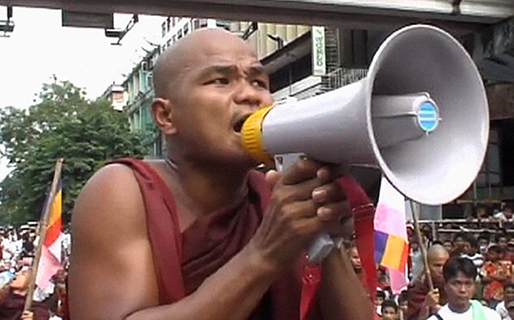
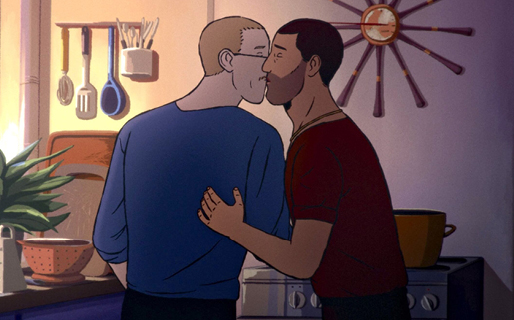
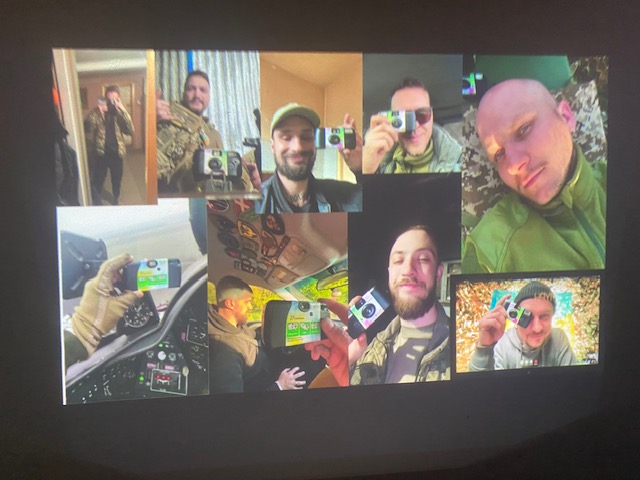
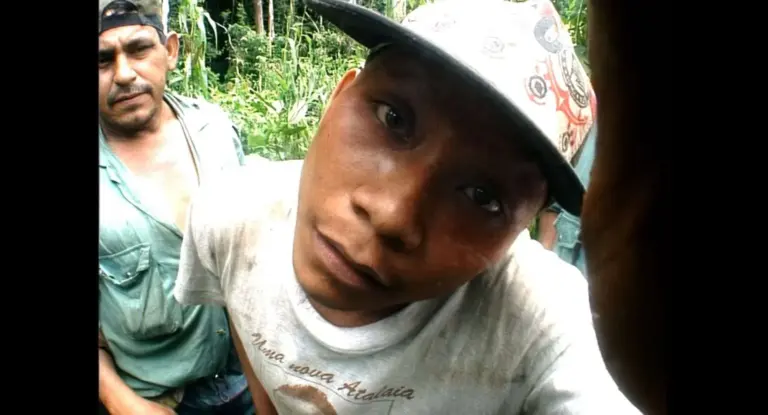
Hvad ikke lykkedes for bl.a. ’Flugt’ (2022), ’The Act of Killing’ (2013) og ’Burma VJ’ (2010) lykkedes for ’Mr Nobody against Putin’.
Siden den første danske nominering i 2010 er det kun USA, der har opnået flere nomineringer.
Det er imponerende. Og dermed interessant at se på, hvad årsagen kan være til, at dansk dokumentarfilm i årtier har stået så stærkt internationalt.
For hvis vi lige et øjeblik ser bort fra, at Oscar uddelingen handler mindst lige så meget om (film)politik som om filmkunst – og at hoved- og medinstruktøren til ’Mr Nobody against Putin’ er henholdsvis amerikaner og russer – så ændrer det ikke ved, at Danmark i årtier har stået virkelig flot på den internationale dokumentarfilm-scene.
Det er f.eks. ikke tilfældigt, at to af de selskaber, der har arbejdet stærkt og vedholdende internationalt i årtier, har valgt at brande sig ved at kalde deres produktionsselskaber henholdsvis Danish Documentary og Made in Copenhagen; sidstnævnte produktionsselskabet bag ’Mr Nobody against Putin’.
Danmark er et kvalitetsbrand.
Her kommer nogle bud på, hvad der blandt andet kan være årsagen til vores årtier-lange stærke position.
Og afslutningsvis en ikke uvæsentlig krølle: Hvad er en dokumentarfilm egentlig? Et interessant spørgsmål med flere svar.
STARTEN PÅ DET HELE
Vi må starte med at gå en del år tilbage i tiden, nærmere bestemt 1939, hvor Statens Filmcentral bliver grundlagt. Som et kerne-socialdemokratisk initiativ til fremme af folkeoplysning og undervisning. Folket skulle oplyses – og nok også i ny og næ belæres.
Efter nogle år begyndte SFC udover distribution også at støtte produktion af film, og grunden var lagt til en helt unik institution.
Os af lidt ældre dato glemmer aldrig larmen fra en 16mm fremviser midt i klasselokalet, lidt yngre generationer er blevet maltrakteret af VHS-videobåndenes hårrejsende ringe kvalitet, og de yngste generationer har haft fornøjelsen af først de langt bedre DVD’er og fra omkring årtusindskiftet den digitale streaming.
Siden midten af 1980’erne har vi tilmed ikke behøvet at gå i skole for at få adgang til filmene. Vi kunne låne først VHS’erne og siden DVD’erne på vores lokale bibliotek, og nu kan vi streame dem via samme.
Noget der minder om 4 generationer er vokset op med at se dokumentarfilm. Det kan ikke undervurderes, og når jeg nævner det for udenlandske kolleger, er de ved at falde ned af stolen. For os er det naturlig dagligdag, for dem er det paradis på jord.
Inden jeg laver et stort tidsspring, er det værd at notere sig den udvikling, der skete med de film SFC støttede – og hen ad vejen også importerede. Det var ikke længere ’kun’ oplysende, men også kunstneriske film. Kreativ dokumentarfilm som det også ofte kaldes af mangel på bedre – der er vist ikke mange, der profilerer sig på at ville lave en u-kreativ film.
Men filmkunsten fik større og større plads. Dokumentarfilm var ikke kun emne og indhold, den stod i egen æstetiske og dramaturgiske ret. Ja nemlig, lige som spillefilmene.
SAMMENLÆGNINGEN
I 1998 skete der noget afgørende. Fiktionsfilmens institution Det Danske Filminstitut (DFI) og dokumentarfilmens ditto Statens Filmcentral (SFC) blev slået sammen. De positive og negative sider er stadig til debat blandt folk, der arbejder med dokumentarfilm.
Det er stort set aldrig en fordel for dokumentarfilmen at komme under tag med storebror. Og det var da også et tilbageslag for udviklingen af genren, at den mistede sin engagerede ambassadør. Jeg hører dog til dem, der også ser nogle positive sider for dokumentarfilmen i forlængelse af sammenlægningen; derom om lidt.
Men jeg kan ikke lade være med at nævne et par pudsigheder, som strengt taget ikke har noget med sagen at gøre, men dog er ganske illustrative for ’styrkeforholdet’.
Den nye institution fik navnet Det Danske Filminstitut. Det smager mere af’ lægning’ end af ’sammen’. DFI’erne brugte PC’er, SFC’erne de lidt frækkere Mac’er. Det nye DFI dekreterede PC. DFI’erne havde fri 5. juni og SFC’erne 1. maj. Gæt selv det nye DFI’s fridag.
Det nye DFI fik to sideordnede produktionsafdelinger, én for spillefilm og én for dokumentar-film. Jeg blev ansat i en ny-opslået stilling som producer i produktionsafdelingen for dokumentarfilm. En af stillingerne for øretævernes holdeplads. Og der var trængsel på de pladser i de første år efter sammenlægningen.
F.eks. var jeg efter et par dage i stolen til møde i foreningen Danske Filminstruktører. Frit efter hukommelsen var det første spørgsmål, jeg fik ’hvad fanden sådan en starut sku’ gøre godt for’.
Der var flere årsager til spørgsmålet.
For det første skulle jeg bl.a. vurdere, om det var realistisk, at den film, som filmkonsulenten gerne ville støtte, kunne laves med det planlagte budget og organisering. Den form for fagligt modspil var ansøgerne ikke vant til.
Det andet var, at hvis produktionen havde internationalt potentiale, blev producerne bedt om at afsøge mulighederne, inden DFI fastlagde sit støttebeløb. Det var producerne ikke vant til.
Og for det tredje kunne producer og instruktør ikke længere være samme person. Det var de mange instruktører, der kun agerede producere af nød, ikke vant til.
I dag er der mig bekendt ingen kritik af ordningen med producere på DFI.
Nok fordi den har været en medvirkende årsag til det nuværende stade: Instruktørerne kan koncentrere sig om at instruere. Producerne er generelt blevet professionaliseret. Og turen ud på det internationale marked giver inspiration, finansiering og gode kontakter. En række stærke dokumentarproducenter er vokset frem hånd i hånd med disse tiltag; herunder flere af dem der står bag Oscarnomineringerne.
Endelig skal nævnes, at det nye DFI introducerede Udviklingsstøtten, altså støtte på et tidspunkt, hvor instruktøren endnu ikke har fundet filmens form. Et tidspunkt, hvor det er utrolig svært at få anden støtte, fordi det er så svært at beskrive det endelige produkt.
DE 3 ANDRE HJØRNER I FIRKANTEN
DFI var dog kun det ene hjørne i en afgørende firkant. Tre andre hjørner var Filmskolen, de faglige organisationer og Public Service TV.
Dokumentarlinjen på Den danske Filmskole blev oprettet i 1992 og har fra starten lagt vægt på at skolens elever skulle udvikle en stærk personlig stemme. En auteuruddannelse. Personlige kunstværker – ingen Oplysning til Borgerne om Samfundet her.
Dokumentarlinjen har haft en afgørende betydning for, at vi har en syndflod af talentfulde instruktører.
Også indførelsen af Produceruddannelsen i 1983 – senere kaldet Kreativ Producer – og Manuskriptuddannelsen i 1988 var vigtige. De to uddannelser ligger på Filmskolens fiktions-linje, men samarbejde med eleverne på dokumentarfilmuddannelsen fandt og finder naturligvis sted.
Producerne bliver ikke kun uddannet i at lægge budgetter og organisere optagelser, men som kreative medaktører. Og instruktørerne fik specialiserede sparringspartnere til at skrive manuskripter – hvad man ikke nødvendigvis er god til, selv om man er en god instruktør.
Samarbejdet fortsætter heldigvis ud over skoleopholdet. Mange fagprofessioner, ikke mindst fotografer og klippere, arbejder med begge genrer, af stor betydning for begge.
Blandt de faglige organisationer har det ikke mindst haft betydning, at dokumentar- og spillefilmsgenrens producenter gik sammen i Producentforeningen i 1998. Dokumentar-producenterne havde svært ved at trænge igennem alene og Producentforeningens konstruktion med selvstændig organisering af genrerne og repræsentanter i den fælles bestyrelse, gjorde – undtagelsesvis – sammenlægningen af de to genrer til en styrkelse for dokumentarfolket.
Forholdet mellem den uafhængige dokumentarfilmbranche og public service TV har ikke altid været et entydigt kærlighedsforhold. De mere kunstnerisk drevne dokumentarfilm fra de uafhængige instruktører og producenter har ofte haft svært ved at nå de store seertal. Branchen har jævnligt kritiseret TV for ikke at promovere filmene nok og for at programsætte dem, når de fleste seere var gået i seng. TV-redaktørerne mente omvendt, at branchen ikke gjorde nok for at nå et bredere publikum.
Men igen, sammenligner vi os med de mange andre lande, der ikke har haft et stærkt public service TV, falder sammenligningen afgjort ud til Danmarks fordel. Hatten af for DR og TV2.
INDIVIDERNE
Interessant nok har store øjeblikke indenfor spillefilmen også haft betydning for dokumentar-filmen. Dels har det henledt udlandets opmærksomhed på dansk film i almindelighed, dels åbnet danske politikeres øjne for branding af Danmark i udlandet.
Og her er det vigtigt at se på nogle individers betydning og ikke kun på de 4 institutionelle hjørner.
I 1987 vinder ’Babettes Gæstebud’ en Oscar, i 1988 og 1989 vinder ’Pelle Erobreren’ henholdsvis Guldpalmerne i Cannes og en Oscar, i 1996 vinder ’Breaking the Waves’ en Grand Prix i Cannes og i 2000 vinder ’Dancer in the Dark ’ Guldpalmen samme sted.
Læg dertil Dogmefilmenes Kyskhedsløfte fra 1995, der ikke bare satte Danmark yderligere på verdenskortet, men var en internationalt anerkendt revolution i optagelsesmetode og æstetik indenfor spillefilm: Håndholdt kamera, ingen brug af kunstigt lys, ingen dekorationer, ingen kostumer m.m. Kameraet skulle følge skuespillerne, og ikke som normalt omvendt.
I øvrigt et kyskhedsløfte, der blev forhåndstestet i ’Riget’ fra 1994. En TV-serie der sendte rystelser ud gennem TV-skærmene, og som blev fulgt af lovsange fra skuespillerne, der blev frisat fra placeringsstreger på gulvet og indøvede kamerature.
Med denne kroniks fokus er det jo umuligt ikke at påpege det oplagte:
Produktionsbetingelserne for ’Riget’ og Dogmefilmene minder påfaldende meget om dokumentarfilmens. Man kan næsten se forteksterne for sig: ’Based on a true film’.
Forud for disse succesrige fiktions-år havde dansk spillefilm i årtier levet en hensygnende tilværelse og antallet af produktioner var nået ned på et niveau, der dårligt kunne holde liv i branchen. Som repræsentanter for de faglige professioner udtrykte det: Der går så lang tid mellem de enkelte produktioner, at vi i mellemtiden glemmer, hvordan man laver film.
De vilkår havde filmbranchen naturligvis beklaget sig over i årevis og forgæves råbt på øgede bevillinger. Men de internationale succeser og deraf følgende brandingmuligheder skabte et momentum som ledelsen af det nye DFI udnyttede: I stedet for kun at råbe på flere penge fremlagde de en konkret 4-årsplan, der ville have gjort enhver sovjetisk plan-økonom ære: Hvis I bevilger os den ansøgte budgetforhøjelse, er her planen for, hvordan vi kommer til at bruge bevillingen.
Det gav resultat og en øget bevilling, der på grund af sammenlægningen af genrerne smittede af på dokumentarfilmen.
Så er vi vist ved at have været rundt om det meste. Men ikke helt:
OG SÅ ER DER OGSÅ …
Den nyligt afviklede dokumentarfilmfestival CPH:DOX grundlægges i 1993 og er vokset til en af de største og mest betydningsfulde festivaler i verden.
Til hverdag er det ikke nemt at fylde biografsalene, når der er dokumentarfilm på programmet. Men så er der opmuntring at hente hos CPH:DOX, der sidste år fik over 150.000 betalende i biografen, og det vil ikke undre, hvis tilskuertallet endnu engang stiger ved dette års festival.
Der er kamp om pladsen i kalenderen blandt de utroligt mange festivaler verden over; CPH: DOX er lykkedes med at etablere en selvstændig profil, der ikke mindst har handlet om at udfordre den traditionelle dokumentarfilms grænser, både hvad angår film og fremvisning.
Nævnes skal i høj grad også grundlæggelsen af den dansk funderede internationale dokumentarfilm-organisation, European Documentary Network i 1996. EDN medvirkede gennem årtier til dannelsen af nogle helt afgørende dokumentarfilm-institutioner i europæiske lande med svage filminstitutioner. Bl.a. i flere sydeuropæiske lande hvor de nationale filmfonde nærmest var et kontor på 5. sal i Kulturministeriet. Men først og fremmest i de øst- og centraleuropæiske tidligere kommunistiske lande, som efter murens fald oplevede et sammenbrud i en 100% statsfinansieret og -organiseret film-infrastruktur. Her var EDN en afgørende faktor i opbygningen af organisationer og aktiviteter, der vendte sig ud mod det øvrige Europa. De fleste eksisterer den dag i dag.
Tusindvis af dokumentarister i Europa har rigtig meget at takke danske EDN for. Det er ikke tilfældigt, at EDNs første direktør har modtaget to nationale fortjenstmedaljer af præsidenterne i Letland og Litauen.
Nå ja, og så er der jo European Film College i de smukke klitter ved Ebeltoft. En international højskole, der åbnede i 1993 og hvert år har et højtestimeret filmkursus for mere end 100 inter-nationale filmstuderende.
Og DFI’s støtteordning New Danish Screen fra 2004, der i modsætning til de etablerede støtteordninger ikke fokuserer på produktet men på at udvikle talentet.
Og den selvstændige stemme dokumentarfilmen mistede med nedlæggelsen af Statens Filmcentral er der siden i nogen grad rådet bod på med oprettelsen af en stilling som Dokumentarfilmchef på DFI.
Har jeg glemt noget og nogen? Helt sikkert og dertil er kun at sige: Undskyld!
GENREN
Tillad mig til sidst kort at vende mig mod dokumentarfilmen som genre. Ovenfor har jeg omtalt den i ental og intet kunne være mere forkert. Der findes en række undergenrer samt hybridfilm, der blander fiktion og dokumentar; siden årtusindskiftet har sågar animeret dokumentarfilm vundet stærkt frem. ’Ah hvad kaldte du det? udbrød jeg, da en producer første gang spurgte mig, om det var noget DFI kunne støtte.
Med fare for forsimpling kan man vist beskrive yderpunkterne indenfor dokumentarfilmgenren således: i den ene ende den journalistiske – hvis primære formål er neutralt at dokumentere og påvise – og i den anden ende den karakterdrevne – hvis primære formål er den subjektive fortælling og fortolkning.
Så vidt jeg kan se ligger ’Mr. Nobody against Putin’ fint placeret et sted imellem disse to positioner.
Det er den karakterdrevne dokumentarfilm, der i sit færdige resultat ligger tættest på spille-filmen: vi følger nogle personer, der udsættes for mere eller mindre dramatiske omvæltninger.
Interessant nok er det samtidig denne undergenre, der i skabelsesprocessen ligger længst fra spillefilmen. Spillefilmen har manuskript, kulisser, skuespillere osv. Altså planlagte elementer under instruktørens kontrol.
Den karakterdrevne dokumentarfilm følger levende mennesker, der som du og jeg gør nøjagtig, hvad der passer os, Fortællingens byggesten er helt udenfor filmskaberens kontrol. Her er en af instruktørens fremmeste evner at spotte en potentiel udvikling. ’Jeg ved ikke hvad, der vil ske, men jeg er ret sikker på, at noget interessant vil ske’.
Den danske dokumentarfilm ’Apolonia, Apolonia’, der vandt hovedprisen ved den førende dokumentarfilmfestival IDFA i Amsterdam i 2022, følger sin hovedperson i 13 – ja, tretten – år. Jeg skal hilse at sige, at hun gennemlever nogle dramatiske omvæltninger, som har været umulige for instruktøren at forudse i 2009.
Havde det været en spillefilm, ganske interessant. Som dokumentarfilm, voldsomt nærværende.
Tak for ordet, tillykke og længe leve dokumentarfilmen.