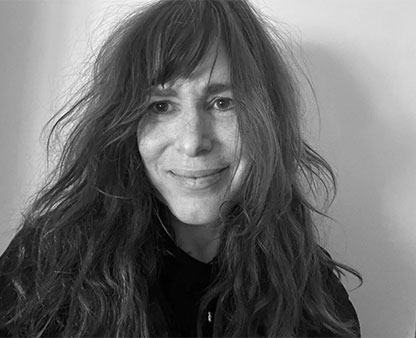
Helena Maksyom: Don’t Ask Me if I Killed…
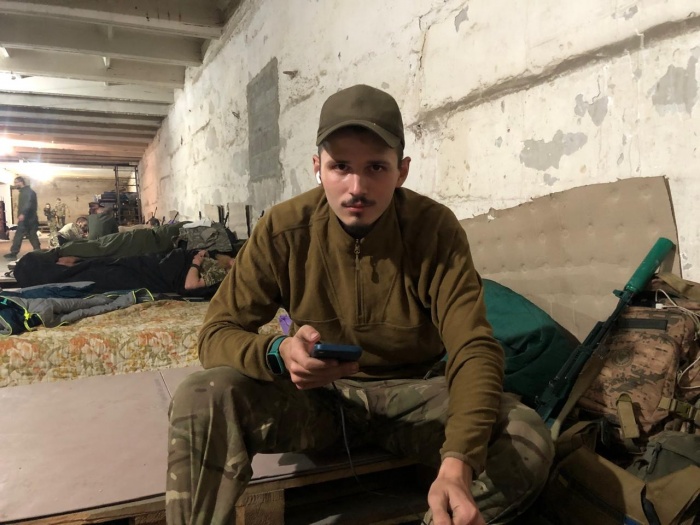
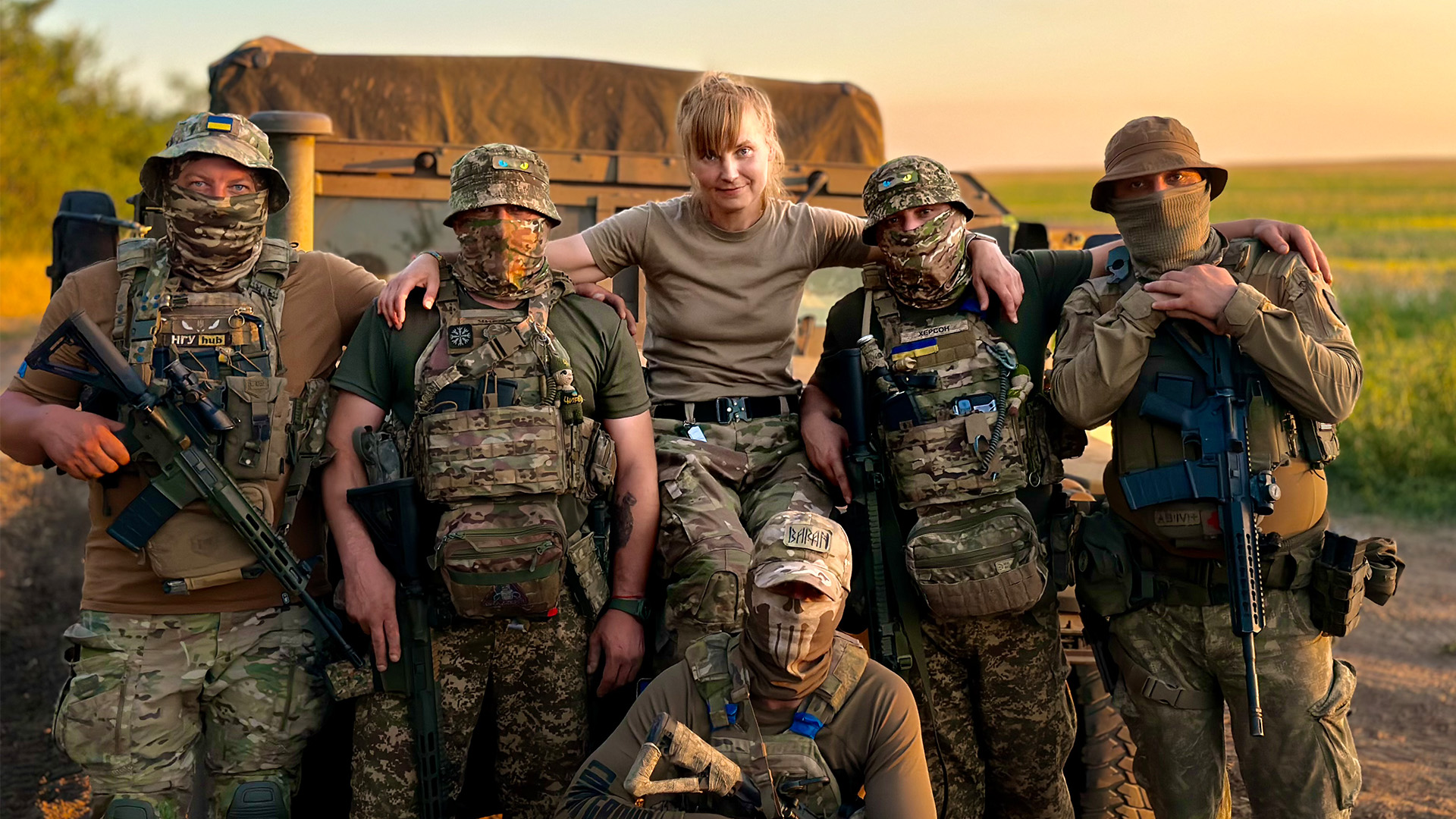
“The idea of making a film first came to me after the death of my close friend and brother-in-arms, 20-year-old Artem. I really wanted him to be remembered. My brothers-in-arms, who had by then become like family, accepted the idea. But during that period there was almost no time for “just filming” — in war there is constant work and no days off. I did not film secret operations. I did not take the camera to combat positions. I filmed only when it was possible and when it did not interfere with service…” A quote from an interview with Helena Maksyom from the website of Ukrainian festival DocuDays, where the film had its premiere and won two awards, for Best Film and for the editing. Artem is on the photo taken from the interview, “provided by the director”.
Helena is at the funeral of Artem filming – cleverly thought – flowers being brought to the grave and from a distance – respect! – the sorrow of his family. The emotional response from Helena comes after, a cut to her with a rifle firing several shots, I see it as getting the aggression out.
The film, as a whole, is far from aggression. With Helena in picture talking to the camera giving comments to the situation and/or talking to her frail mother, who in the beginning of the film says to Helena “take your passport and get out of the country” – Helena answers why she wants to stay in her country, we spectators do not doubt her attachment to her country.
The film has a non-sensationalistic tone, where we spectators are with Helena and her family, as she called it in the interview, when they are in places waiting for the next call for battle, when they are evacuating a family (I will never forget the wee boy with big curious eyes turning around for the camera, when he and his family goes for the car for evacuation), when she has conversations with the young soldiers, when we see soldiers being treated for wounds in the field hospital etc.
The approach is respectful and for me beautiful, the film is likewise a personal documentation of high quality.
Ukraine, Romania, Germany, The Netherlands 2026, 104 min.
