
Emanuele Vernillo: Thomas Heise and the Courage of Silence
In a few months, two years will have passed since the death of Thomas Heise, a key figure of European documentary and auteur cinema over the last fifty years. Heise was remembered in Bolzano one month ago during two very intense days, when, together with FAS – Film Association South Tyrol, the three films of the Halle-Neustadt Trilogy (STAU – JETZT GEHT’S LOS / NEUSTADT / KINDER. WIE DIE ZEIT VERGEHT) were screened in the cinema, and a masterclass was organised in his memory. The masterclass retraced his artistic path, from the years of the GDR to the reunification of Germany, and highlighted the importance of what Heise called an “archaeology of memory” in his cinema – a way of working in which the past continues to cast its shadows on the present.
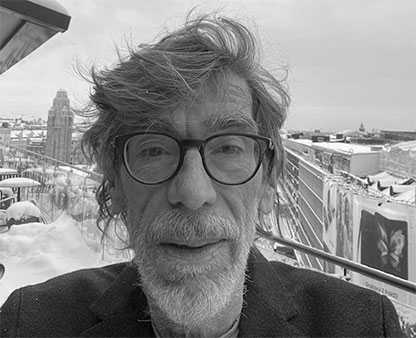
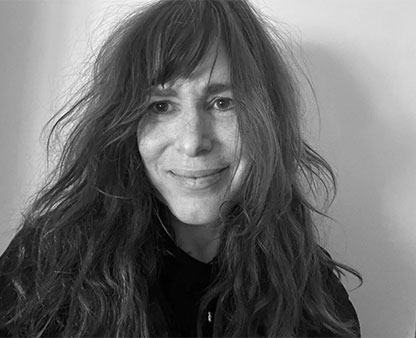
During these days, long-time collaborators of Heise joined us, bringing a living and personal memory of the great German filmmaker. Among them were the cinematographer and lifelong friend Peter Badel, and his first producer during the years of the Wende, Katrin Schlösser.
We would like to open this newsletter by once again taking time – and offering it to you – to pay tribute to a great filmmaker, for a very simple reason: Thomas Heise was an artist who was never afraid to face the contradictions of his time. He was never afraid to “get his hands dirty” and to enter places that were uncomfortable or difficult: whether filming inside a police station in Berlin during the GDR (when all his previous films had already been rejected by the regime), or spending time with a group of neo-Nazis in the town of Halle just after the collapse of the GDR, or even meeting his own brother after many years to reflect on the role that one of their closest friends had played within the Stasi.
Heise loved the spoken word in his films, but many of them will be remembered above all for their silences: for the sighs of the people on screen, and for the deep sense of empathy that Heise was able to create with everyone he met. Very few filmmakers have reached such emotional closeness to the people they filmed. It is worth remembering here another great German filmmaker, Helga Reidemeister, who passed away five years ago and was also born in Halle, before the GDR. In films such as LICHTER AUS DEM HINTERGRUND, VON WEGEN “SCHICKSAL” and GOTTESZELL – EINE FRAUGEFÄNGNIS, she touched the living heart of the people she worked with.
Thomas Heise’s cinema was built around key historical moments and nourished by materials that document important passages of the twentieth century. It is a cinema that does not impose a point of view, but instead asks essential questions to a community. It is a cinema that enters the cracks of History and personal stories and asks: what happens to a community when a social and political balance breaks? Within this work, Heise searched for the physical presence of silence – of sighs, pauses and waiting – creating moments of deep intimacy with the people he filmed. Through Heise’s films, we learn to use words not only to give information, but also to feel and touch emptiness and suspension: in History, in a farewell, in a wound, in a relationship.
Heise’s films should be watched again today more than ever, in a time of easy and tragic oppositions, a time in which everything is shouted, and everyone seems to be the protagonist of something somewhere, while in reality we are more and more victims of History. Heise teaches us to get our hands dirty – and this is the best wish we can make for our young filmmakers.
Emanuele Vernillo Zelig, Head of the Three-Years Training
