Bojana Novakovic: The Forbidden Aunt
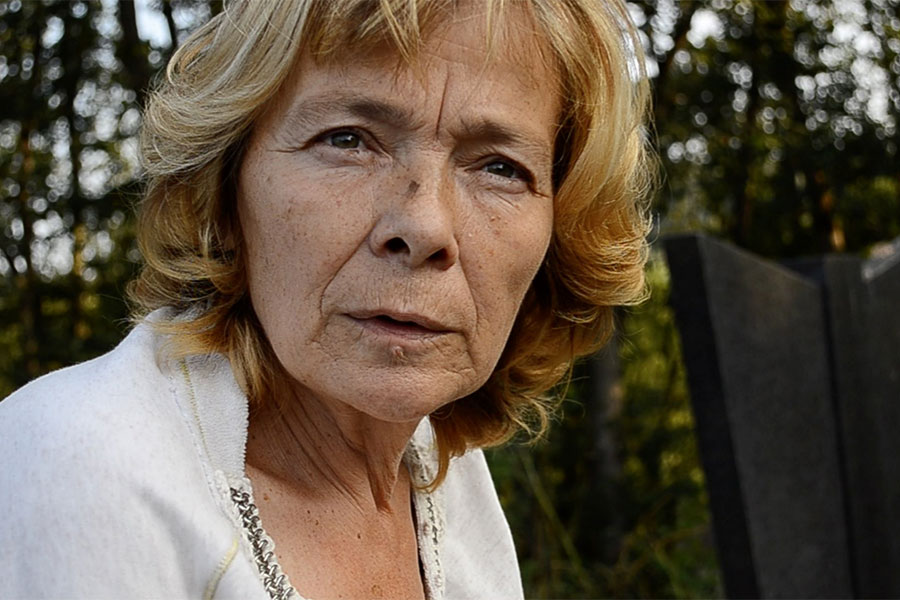
I saw the film but understood that I did not get it all. Especially who was who in this three generation family drama, that takes place in Uzice in Serbia. I went back to the MacBook this morning and watched it again and understood everything, including how great a film it is. I am sure it will be loved by the audience at Sarajevo Film Festival. It is entertaining AND touching with an absolute star as protagonist, the aunt Gordana, around whom all the other characters circle, first of all her grown-up children Mladen and Marija, but also the sisters of Gordana, Biljana and Mira, and their mother… and many others, also grandchildren.
In one of the key scenes where Gordana is confronted by her daughter, Marija, her little son sitting in the middle of the sofa says to Bojana, the director behind the camera – save your batteries, stop filming, it’s gonna be an ugly film… From a child’s perspective he is right, there are so many hideous stories from the past of Gordana and, in this case, her daughter, that comes to the surface. Abuse.
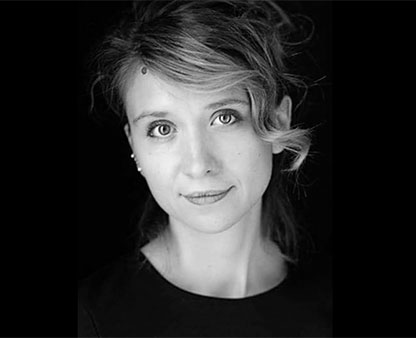
Bojana comes back to Serbia from Hollywood, she is an actress, she wants to stay with her aunt, with whom she spent very little time when a child, before she and her parents went to Australia, where she grew up. As a child she was not allowed to see Gordana, who was an alcoholic and lived a life full of parties, having relationships to many men, leaving her two children alone – just like she she, Gordana, was pretty much alone as a child.
There are photos from their respective childhoods but the brave and wise solution by Bojana is to reenact scenes from the past. She does so inspired by Gordana´s obsession with tv soaps. The editing functions perfectly, and it is fun to watch. There is for instance a scene, where Gordana – being the third child – sits with her two sisters and does not eat… her father has told her that she should sit and “inhale” the smells from their food, that would make her full!
It is the face and presence of Gordana and her – being sober now – extraordinary helpfulness to older people around her, AND her story as a successful hairdresser with her own salon that took my attention. She won a competition and was invited to become a superb hairdresser. She said no. “Do you know what it means to be damaged”, she says in one of the many fine intimate conversations she has with Bojana. It turns out that Bojana also has had a problem with drinking; at a point she says – or is it Gordana – that she does not want to be like her aunt.
Who openly says that she destroyed the life of her children. For two years, they say, they were alone, I did not have a mother, says Mladen. But she is now, the film shows, a caring grandmother – and what was Gordana’s salon is now a salon of Marija!
A soap opera as the poster says, yes, with the word documentary in focus, hybrid, does not matter. A complex structure unfolded to become a Great film!
❤️ ❤️ ❤️ ❤️ ❤️ ❤️
Serbia, Australia, 85 mins.
