Oleshky: Humanitarian catastrophe
Russia’s treatment of Oleshky’s civilians is reminiscent of the worst horrors of the 20th сentury — a century in which lessons were supposed to have been learned so they could never be repeated.
And yet here we are: Ukraine’s Holodomor Museum, dedicated to preserving the memory of millions of Ukrainians starved to death by Joseph Stalin from 1932-1933, is sounding the alarm about another man-made famine, this one taking place in 2026.
“People are driven to despair and are simply walking along mined roads (to escape),” an Oleshky resident — whose identity is being withheld for security reasons — told the Kyiv Independent.
“These people must be saved, for the city has turned into a death trap.”
The situation in Oleshky is not complicated, and its solution is simple — those living there have no access to the basic amenities needed to survive, and allowing supplies in, or those people to leave, will save their lives.
The only thing complicating matters is the fact that Russia does not see them as people.
Instead, they are human shields that allow Russian forces to launch attacks across the river against Kherson.
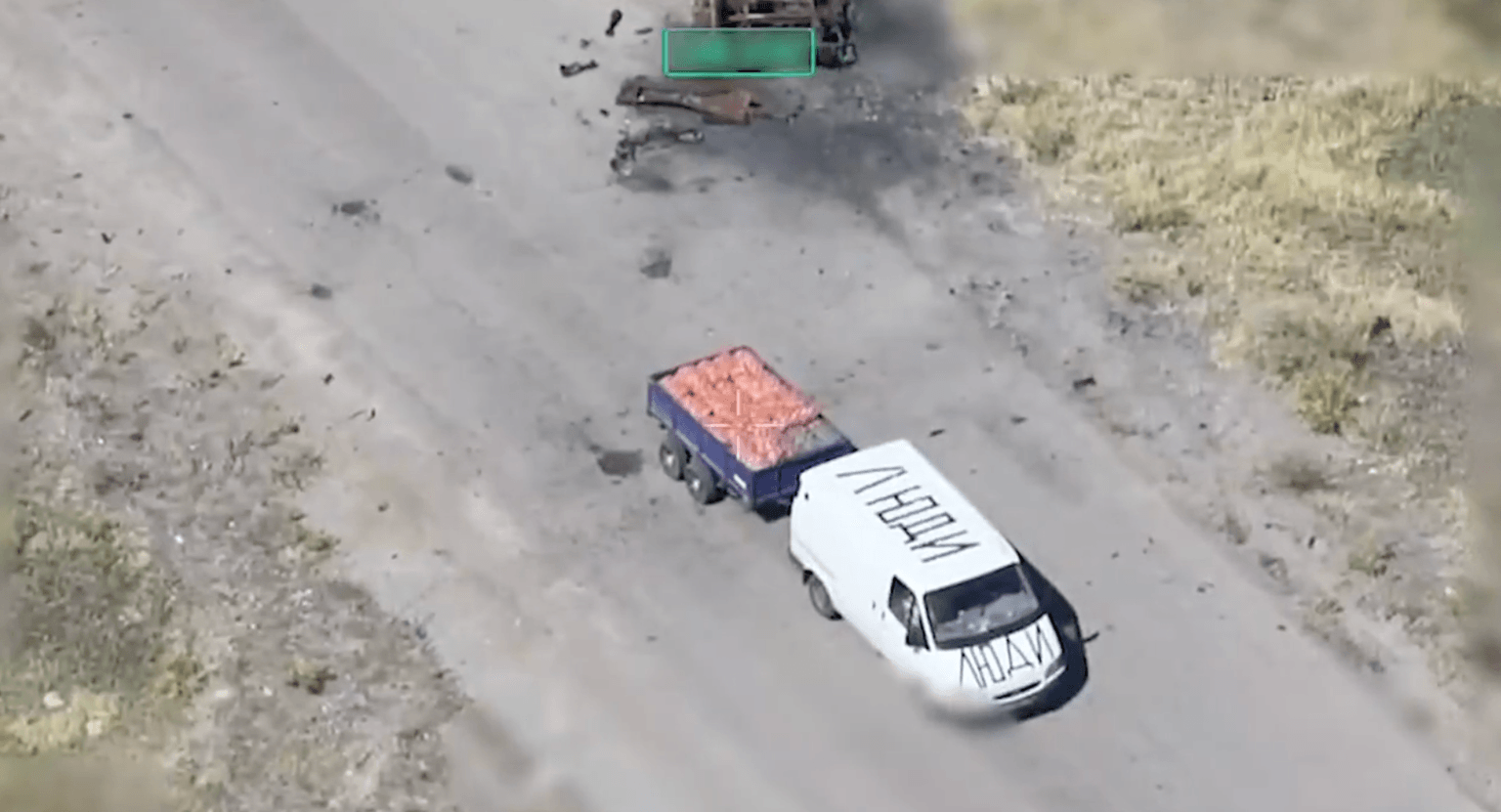
Almost everything needed to evacuate 358 people identified as those most in urgent need of assistance had been put in place, Ukraine’s human rights ombudsman Dmytro Lubinets, said on Sept. 16.
Ukraine, along with the International Committee of the Red Cross (ICRC), was ready to ensure a ceasefire and launch the humanitarian mission needed to rescue some of Oleshky’s civilians.
The only thing missing? Russia’s agreement.
“Russia has once again disregarded the norms of International Humanitarian Law and basic humanity,” Lubinets said. “These people must be saved, for the city has turned into a death trap.”
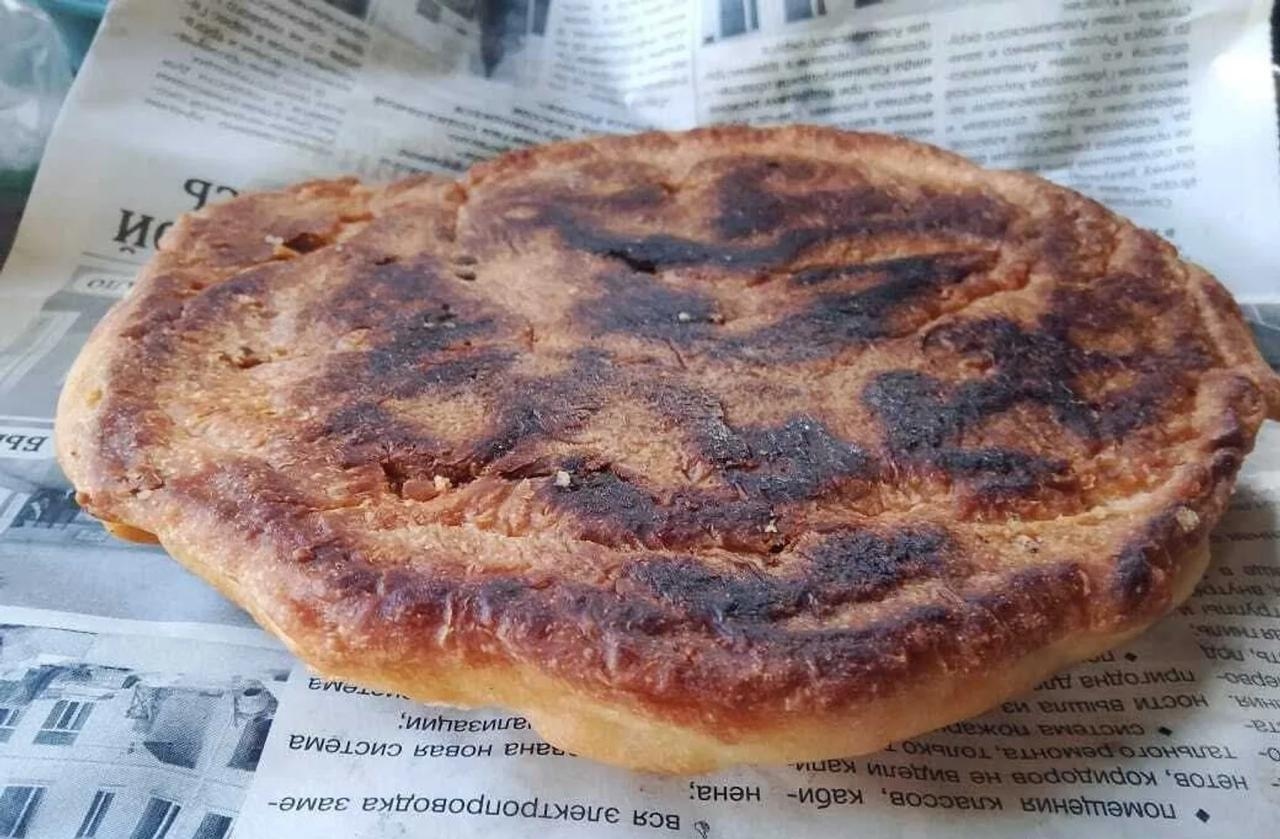
The estimated 4.5 million Ukrainians who died during the Holodomor did so quietly, silenced by a vast Kremlin censorship apparatus and aided by Western indifference that allowed Stalin to get away with one of the greatest crimes of the century.
The residents of Oleshky, though far less numerous, already have a louder voice thanks to a few who dare to risk contacting the outside world, the efforts of both the Ukrainian officials and activists raising the alarm, and the modern technology that makes Kremlin suppression of information infinitely more difficult.
But will the West stay indifferent in this case, too? That gets decided now. Any country, government, lawmaker, or citizen who believes that mass starvation in the 21st century is unacceptable still has the chance to speak up, and to do so in a manner timely enough to make a difference to the outcome.
The biggest responsibility lies on the United States, the broker of the peace talks. The U.S. — and President Donald Trump personally, given that he regularly speaks with Vladimir Putin — must demand that Moscow ends this atrocious situation and allows the people of Oleshky to be rescued.
The fate of Oleshky is not yet sealed, but we already know how this ends if the world once again chooses indifference.
