


DocsBarcelona: John Wilson Confirmed and Docs&City
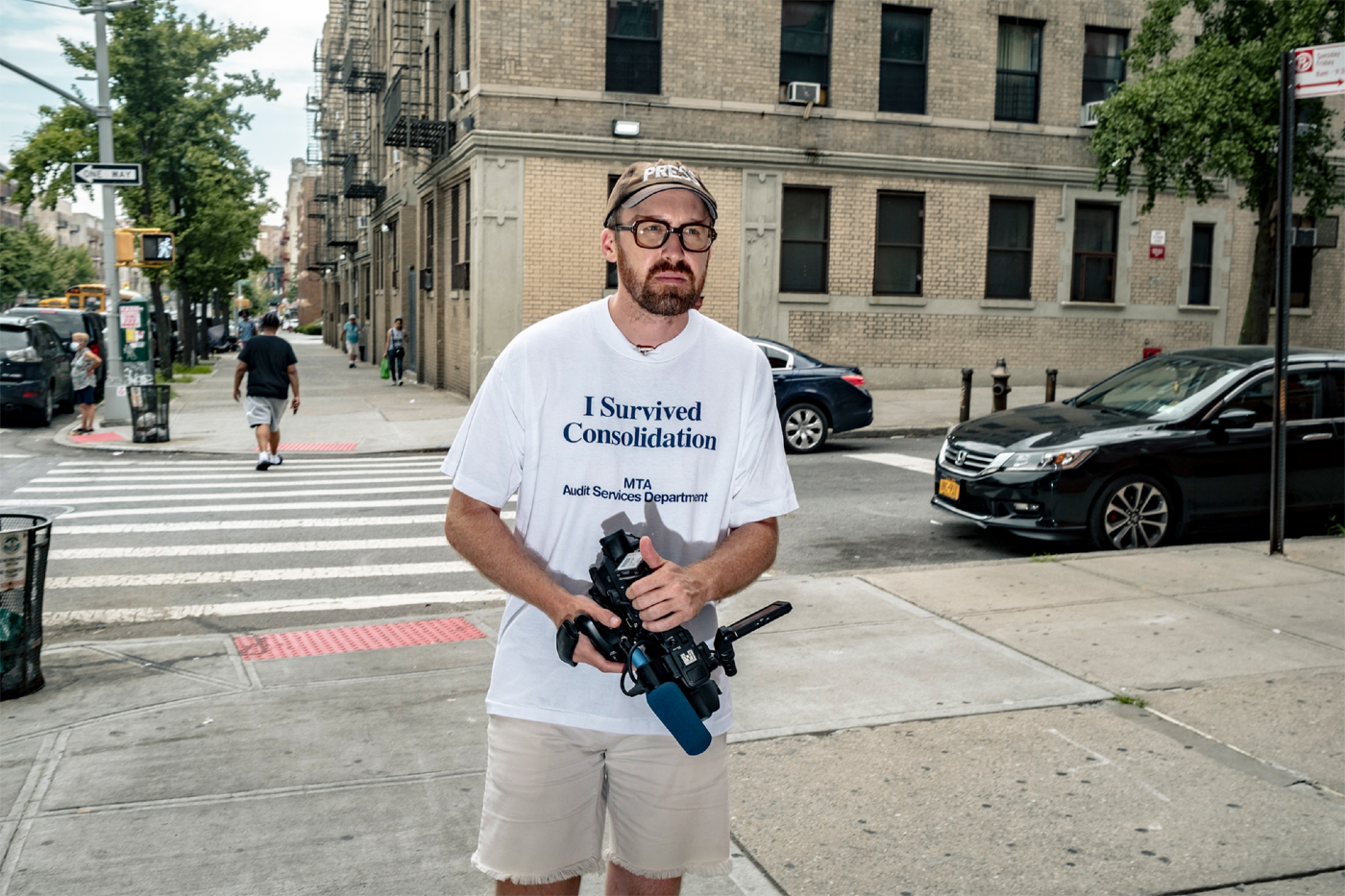
| John Wilson will return to DocsBarcelona to present his feature film debut, The History of Concrete, following its screenings at the Sundance and CPH:DOX festivals. The American filmmaker, who already presented his cult series How To With John Wilson at the catalan festival in 2024, will be returning to the festival to premiere his latest work in Spain in a special session on May 12 at the Aribau Cinema, with a Q&A with the audience. PHOTO: The History of Concrete. With his characteristically unmistakable and ironic style, Wilson transforms a seemingly mundane subject like concrete into a fascinating and profoundly human exploration of urban life. This unique documentary comedy offers a singular portrait of city life and its inhabitants, taking unexpected turns and revealing a humor born of intuition and keen observation. Wilson thus confirms his ability to uncover the absurdity and beauty hidden in the most insignificant details. |
| A focus dedicated to the city: Docs&City |
| The Focus Section, which each year is dedicated to a different theme, will center this edition on the urban environment: Docs&City will bring together documentaries that explore the transformations, tensions, and imaginaries of contemporary cities in settings as diverse as Gaza, Barcelona, Granada, Tokyo, and Damascus. The section includes With Hasan in Gaza by Kamal Aljafari, which revisits three video tapes shot in 2001 to portray everyday life in Gaza, in constant and forced transformation; Corren las liebres by Lorena Ros, which follows Noa, a gypsy transgender woman trying to regain custody of her children while facing eviction in Barcelona; Quién vio los templos caer by Lucía Selva, which moves between myth and reality to explore memory and urban transformation in Granada; Numakage Public Pool by Shingo Ota, about the disappearance of a suburban public swimming pool in Tokyo, a key space for social interaction within the urban fabric; and Little Sinner by Daro Hansen and Thomas Papapetros, built from more than two decades of Hansen’s personal recordings, combined with footage of the refugee crisis in Lebanon and Greece. |
